 Download Sheet Music Net is a site for those who wants to access popular sheet music easily,
letting them download the sheet music for free for trial purposes.
It's completely free to download and try the listed sheet music, but you have to delete the files after 24 hours of trial.
Don't forget, if you like the piece of music you have just learned playing,
treat the artist with respect, and go buy the original sheet music.
Download Sheet Music Net is a site for those who wants to access popular sheet music easily,
letting them download the sheet music for free for trial purposes.
It's completely free to download and try the listed sheet music, but you have to delete the files after 24 hours of trial.
Don't forget, if you like the piece of music you have just learned playing,
treat the artist with respect, and go buy the original sheet music.
Bass Sheet Music
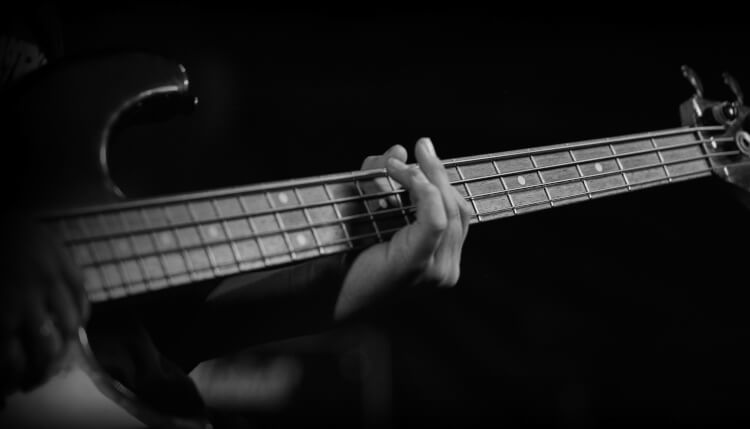 "Music is everybody's possession. It's only publishers who think that people own it." John Lennon
Howard Shore
Howard Leslie Shore (born October 18, 1946) is a Canadian composer, notable for his film scores. He has composed the scores for over 40 films, most notably the scores for The Lord of the Rings film trilogy, for which he won three Academy Awards. He is also a consistent collaborator with director David Cronenberg, having scored all but one of his films since 1979. Shore has also worked with Martin Scorsese, Jonathan Demme, David Fincher and many other filmakers.
He has also composed a few concert works including one opera, The Fly, based on the plot (though not his score) of Cronenberg's 1986 film premiered at the Théâtre du Châtelet in Paris on 2 July 2008., a short piece Fanfare for the Wanamaker Organ and the Philadelphia Orchestra, and a short overture for the Swiss 21st Century Symphony Orchestra.
Shore is a three-time winner of the Academy Award, and has also won two Golden Globe Awards and four Grammy Awards. He is the uncle of film composer Ryan Shore.
He has also composed a few concert works including one opera, The Fly, based on the plot (though not his score) of Cronenberg's 1986 film premiered at the Théâtre du Châtelet in Paris on 2 July 2008., a short piece Fanfare for the Wanamaker Organ and the Philadelphia Orchestra, and a short overture for the Swiss 21st Century Symphony Orchestra.
Shore is a three-time winner of the Academy Award, and has also won two Golden Globe Awards and four Grammy Awards. He is the uncle of film composer Ryan Shore.
Brahms
Johannes Brahms (May 7, 1833 â April 3, 1897) was a German composer of the Romantic period. He was born in Hamburg and in his later years he settled in Vienna, Austria.
Brahms maintained a Classical sense of form and order in his works â in contrast to the opulence of the music of many of his contemporaries. Thus many admirers (though not necessarily Brahms himself) saw him as the champion of traditional forms and "pure music," as opposed to the New German embrace of program music.
Brahms venerated Beethoven: in the composer's home, a marble bust of Beethoven looked down on the spot where he composed, and some passages in his works are reminiscent of Beethoven's style. The main theme of the finale of Brahms's First Symphony is reminiscent of the main theme of the finale of Beethoven's Ninth, and when this resemblance was pointed out to Brahms he replied that any ass â jeder Esel â could see that.
Ein deutsches Requiem was partially inspired by his mother's death in 1865, but also incorporates material from a Symphony he started in 1854, but abandoned following Schumann's suicide attempt. He once wrote that the Requiem "belonged to Schumann". The first movement of this abandoned Symphony was re-worked as the first movement of the First Piano Concerto.
Brahms also loved the Classical composers Mozart and Haydn. He collected first editions and autographs of their works, and edited performing editions. He also studied the music of pre-classical composers, including Giovanni Gabrieli, Johann Adolph Hasse, Heinrich Schütz and especially Johann Sebastian Bach. His friends included leading musicologists, and with Friedrich Chrysander he edited an edition of the works of François Couperin. He looked to older music for inspiration in the arts of strict counterpoint; the themes of some of his works are modelled on Baroque sources, such as Bach's The Art of Fugue in the fugal finale of Cello Sonata No. 1, or the same composer's Cantata No. 150 in the passacaglia theme of the Fourth Symphony's finale.
Brahms maintained a Classical sense of form and order in his works â in contrast to the opulence of the music of many of his contemporaries. Thus many admirers (though not necessarily Brahms himself) saw him as the champion of traditional forms and "pure music," as opposed to the New German embrace of program music.
Brahms venerated Beethoven: in the composer's home, a marble bust of Beethoven looked down on the spot where he composed, and some passages in his works are reminiscent of Beethoven's style. The main theme of the finale of Brahms's First Symphony is reminiscent of the main theme of the finale of Beethoven's Ninth, and when this resemblance was pointed out to Brahms he replied that any ass â jeder Esel â could see that.
Ein deutsches Requiem was partially inspired by his mother's death in 1865, but also incorporates material from a Symphony he started in 1854, but abandoned following Schumann's suicide attempt. He once wrote that the Requiem "belonged to Schumann". The first movement of this abandoned Symphony was re-worked as the first movement of the First Piano Concerto.
Brahms also loved the Classical composers Mozart and Haydn. He collected first editions and autographs of their works, and edited performing editions. He also studied the music of pre-classical composers, including Giovanni Gabrieli, Johann Adolph Hasse, Heinrich Schütz and especially Johann Sebastian Bach. His friends included leading musicologists, and with Friedrich Chrysander he edited an edition of the works of François Couperin. He looked to older music for inspiration in the arts of strict counterpoint; the themes of some of his works are modelled on Baroque sources, such as Bach's The Art of Fugue in the fugal finale of Cello Sonata No. 1, or the same composer's Cantata No. 150 in the passacaglia theme of the Fourth Symphony's finale.
Vivaldi
Antonio Lucio Vivaldi (March 4, 1678 â July 28, 1741), nicknamed il Prete Rosso ("The Red Priest"), was a Venetian priest and Baroque music composer, as well as a famous virtuoso violinist; he was born and raised in the Republic of Venice. The Four Seasons, a series of four violin concerti, is his best-known work and a highly popular Baroque piece.
Many of Vivaldi's compositions reflect a flamboyant, almost playful, exuberance. Most of Vivaldi's repertoire was rediscovered only in the first half of the 20th century in Turin and Genoa and was published in the second half. Vivaldi's music is innovative, breaking a consolidated tradition in schemes; he gave brightness to the formal and the rhythmic structure of the concerto, repeatedly looking for harmonic contrasts and innovative melodies and themes. Moreover, Vivaldi was able to compose nonacademic music, particularly meant to be appreciated by the wide public and not only by an intellectual minority. The joyful appearance of his music reveals in this regard a transmissible joy of composing; these are among the causes of the vast popularity of his music. This popularity soon made him famous in other countries such as France which was, at the time, very independent concerning its musical taste.
Vivaldi is considered one of the composers who brought Baroque music (with its typical contrast among heavy sonorities) to evolve into a classical style. Johann Sebastian Bach was deeply influenced by Vivaldi's concertos and arias (recalled in his Johannes Passion, Matthäuspassion, and cantatas). Bach transcribed a number of Vivaldi's concerti for solo keyboard, along with a number for orchestra, including the famous Concerto for Four Violins and Violoncello, Strings and Continuo (RV 580).
Many of Vivaldi's compositions reflect a flamboyant, almost playful, exuberance. Most of Vivaldi's repertoire was rediscovered only in the first half of the 20th century in Turin and Genoa and was published in the second half. Vivaldi's music is innovative, breaking a consolidated tradition in schemes; he gave brightness to the formal and the rhythmic structure of the concerto, repeatedly looking for harmonic contrasts and innovative melodies and themes. Moreover, Vivaldi was able to compose nonacademic music, particularly meant to be appreciated by the wide public and not only by an intellectual minority. The joyful appearance of his music reveals in this regard a transmissible joy of composing; these are among the causes of the vast popularity of his music. This popularity soon made him famous in other countries such as France which was, at the time, very independent concerning its musical taste.
Vivaldi is considered one of the composers who brought Baroque music (with its typical contrast among heavy sonorities) to evolve into a classical style. Johann Sebastian Bach was deeply influenced by Vivaldi's concertos and arias (recalled in his Johannes Passion, Matthäuspassion, and cantatas). Bach transcribed a number of Vivaldi's concerti for solo keyboard, along with a number for orchestra, including the famous Concerto for Four Violins and Violoncello, Strings and Continuo (RV 580).
Mozart
Wolfgang Amadeus Mozart, full name Johann Chrysostom Wolfgang Amadeus Mozart (27 January 1756 â 5 December 1791) was a prolific and influential composer of the Classical era. His over 600 compositions include works widely acknowledged as pinnacles of symphonic, concertante, chamber, piano, operatic, and choral music. Mozart is among the most enduringly popular of classical composers, and many of his works are part of the standard concert repertoire.
Mozart's music, like Haydn's, stands as an archetypal example of the Classical style. His works spanned the period during which that style transformed from one exemplified by the style galant to one that began to incorporate some of the contrapuntal complexities of the late Baroque, complexities against which the galant style had been a reaction. Mozart's own stylistic development closely paralleled the development of the classical style as a whole. In addition, he was a versatile composer and wrote in almost every major genre, including symphony, opera, the solo concerto, chamber music including string quartet and string quintet, and the piano sonata. While none of these genres were new, the piano concerto was almost single-handedly developed and popularized by Mozart. He also wrote a great deal of religious music, including masses; and he composed many dances, divertimenti, serenades, and other forms of light entertainment.
The central traits of the classical style can be identified in Mozart's music. Clarity, balance, and transparency are hallmarks of his work.
Mozart's music, like Haydn's, stands as an archetypal example of the Classical style. His works spanned the period during which that style transformed from one exemplified by the style galant to one that began to incorporate some of the contrapuntal complexities of the late Baroque, complexities against which the galant style had been a reaction. Mozart's own stylistic development closely paralleled the development of the classical style as a whole. In addition, he was a versatile composer and wrote in almost every major genre, including symphony, opera, the solo concerto, chamber music including string quartet and string quintet, and the piano sonata. While none of these genres were new, the piano concerto was almost single-handedly developed and popularized by Mozart. He also wrote a great deal of religious music, including masses; and he composed many dances, divertimenti, serenades, and other forms of light entertainment.
The central traits of the classical style can be identified in Mozart's music. Clarity, balance, and transparency are hallmarks of his work.
Jacob De Haan
Jacob de Haan (born March 28, 1959 in Heerenveen) is a Dutch contemporary composer known for wind music. He has also published various vocal works, including a number of masses for choir, wind band and soloists. His best known pieces are Oregon and Ammerland.
Speelklaar
Ready to Play- Easy Piano and Keyboard Edits - Music Score. Fast and reliable worldwide.
Michael Jackson
Michael Joseph Jackson (August 29, 1958 – June 25, 2009) was an American singer, dancer and entertainer. Referred to as the King of Pop, he is the most commercially successful entertainer of all time, and one of the most influential. His contributions to music, dance and fashion, along with a much publicized personal life, made him a global figure in popular culture for over four decades.
Alongside his brothers, he made his debut as lead singer and youngest member of The Jackson 5 in 1964. He began his solo career in 1971. His 1982 album Thriller remains the best-selling album ever, with Off the Wall (1979), Bad (1987), Dangerous (1991) and HIStory (1995) also among the world's best-selling albums. He is widely credited with having transformed the music video from a promotional tool into an art form with videos for his songs such as "Billie Jean", "Beat It" and "Thriller" making him the first African American artist to amass a strong crossover following on MTV. With stage performances and music videos, Jackson popularized a number of physically complicated dance techniques, such as the robot and the moonwalk. His distinctive musical sound, vocal style, and choreography, is credited with stretching across and breaking down cultural, racial, economic, generational, and global barriers that has inspired countless pop, rock, R&B and hip hop artists.
One of the few artists to have been inducted into the Rock and Roll Hall of Fame twice, his other achievements feature multiple Guinness World Records—including the "Most Successful Entertainer of All Time"—15 Grammy Awards (including the "Living Legend Award" and the "Lifetime Achievement Award"), 26 American Music Awards (24 only as a solo artist, including one for "Artist of the Century")—more than any artist—, 17 number one singles in the US (including the four as a member of the Jackson 5), and estimated sales of up to 750 million records worldwide making him the world's best selling artist in history.
Jackson's personal relationships and life generated controversy for years. His changing appearance was noticed from the late 1970s onwards, with changes to his nose and to the color of his skin drawing media publicity. He was accused of child sexual abuse in 1993 though no charges were brought, and in 2005 he was tried and acquitted when the jury ruled him not guilty on all charges. He married twice, first in 1994 and again in 1996, and brought up three children, one born to a surrogate mother. While preparing for the This Is It concert tour in 2009, Jackson died at the age of 50 after suffering from cardiac arrest. He reportedly had been administered drugs such as propofol and lorazepam, and his death was ruled a homicide by the Los Angeles County coroner. His death triggered an outpouring of grief from around the world with his globally live broadcast memorial service attracting an audience of up to one billion people; as well as a huge surge in his album sales, resulting in him becoming the best selling artist of 2009 with sales in excess of 8.2 million in the United States where he became the first artist ever to have 4 of the top 20 best-selling albums in a single year, and 29 million albums globally, where he had an unprecedented 8 of the top 25 best-selling albums worldwide.
Alongside his brothers, he made his debut as lead singer and youngest member of The Jackson 5 in 1964. He began his solo career in 1971. His 1982 album Thriller remains the best-selling album ever, with Off the Wall (1979), Bad (1987), Dangerous (1991) and HIStory (1995) also among the world's best-selling albums. He is widely credited with having transformed the music video from a promotional tool into an art form with videos for his songs such as "Billie Jean", "Beat It" and "Thriller" making him the first African American artist to amass a strong crossover following on MTV. With stage performances and music videos, Jackson popularized a number of physically complicated dance techniques, such as the robot and the moonwalk. His distinctive musical sound, vocal style, and choreography, is credited with stretching across and breaking down cultural, racial, economic, generational, and global barriers that has inspired countless pop, rock, R&B and hip hop artists.
One of the few artists to have been inducted into the Rock and Roll Hall of Fame twice, his other achievements feature multiple Guinness World Records—including the "Most Successful Entertainer of All Time"—15 Grammy Awards (including the "Living Legend Award" and the "Lifetime Achievement Award"), 26 American Music Awards (24 only as a solo artist, including one for "Artist of the Century")—more than any artist—, 17 number one singles in the US (including the four as a member of the Jackson 5), and estimated sales of up to 750 million records worldwide making him the world's best selling artist in history.
Jackson's personal relationships and life generated controversy for years. His changing appearance was noticed from the late 1970s onwards, with changes to his nose and to the color of his skin drawing media publicity. He was accused of child sexual abuse in 1993 though no charges were brought, and in 2005 he was tried and acquitted when the jury ruled him not guilty on all charges. He married twice, first in 1994 and again in 1996, and brought up three children, one born to a surrogate mother. While preparing for the This Is It concert tour in 2009, Jackson died at the age of 50 after suffering from cardiac arrest. He reportedly had been administered drugs such as propofol and lorazepam, and his death was ruled a homicide by the Los Angeles County coroner. His death triggered an outpouring of grief from around the world with his globally live broadcast memorial service attracting an audience of up to one billion people; as well as a huge surge in his album sales, resulting in him becoming the best selling artist of 2009 with sales in excess of 8.2 million in the United States where he became the first artist ever to have 4 of the top 20 best-selling albums in a single year, and 29 million albums globally, where he had an unprecedented 8 of the top 25 best-selling albums worldwide.
The Beatles
The Beatles were a pop and rock group from Liverpool, England formed in 1960. Primarily consisting of John Lennon (rhythm guitar, vocals), Paul McCartney (bass guitar, vocals), George Harrison (lead guitar, vocals) and Ringo Starr (drums, vocals) throughout their career, The Beatles are recognised for leading the mid-1960s musical "British Invasion" into the United States. Although their initial musical style was rooted in 1950s rock and roll and homegrown skiffle, the group explored genres ranging from Tin Pan Alley to psychedelic rock. Their clothes, styles, and statements made them trend-setters, while their growing social awareness saw their influence extend into the social and cultural revolutions of the 1960s. After the band broke up in 1970, all four members embarked upon solo careers.
The Beatles are one of the most commercially successful and critically acclaimed bands in the history of popular music, selling over a billion records internationally. In the United Kingdom, The Beatles released more than 40 different singles, albums, and EPs that reached number one, earning more number one albums (15) than any other group in UK chart history. This commercial success was repeated in many other countries; their record company, EMI, estimated that by 1985 they had sold over one billion records worldwide. According to the Recording Industry Association of America, The Beatles have sold more albums in the United States than any other band. In 2004, Rolling Stone magazine ranked The Beatles number one on its list of 100 Greatest Artists of All Time. According to that same magazine, The Beatles' innovative music and cultural impact helped define the 1960s, and their influence on pop culture is still evident today. In 2008, Billboard magazine released a list of top-selling Hot 100 artists to celebrate the chart's fiftieth anniversary; The Beatles reached #1 again.
The Beatles are one of the most commercially successful and critically acclaimed bands in the history of popular music, selling over a billion records internationally. In the United Kingdom, The Beatles released more than 40 different singles, albums, and EPs that reached number one, earning more number one albums (15) than any other group in UK chart history. This commercial success was repeated in many other countries; their record company, EMI, estimated that by 1985 they had sold over one billion records worldwide. According to the Recording Industry Association of America, The Beatles have sold more albums in the United States than any other band. In 2004, Rolling Stone magazine ranked The Beatles number one on its list of 100 Greatest Artists of All Time. According to that same magazine, The Beatles' innovative music and cultural impact helped define the 1960s, and their influence on pop culture is still evident today. In 2008, Billboard magazine released a list of top-selling Hot 100 artists to celebrate the chart's fiftieth anniversary; The Beatles reached #1 again.
Real Book
The Real Book refers to compilations of lead sheets for jazz standards. It usually refers to the first volume of a series of books transcribed and collated by Berklee College of Music students during the 1970s.The name is derived from "fake books", so called because they contained only rough outlines of music pieces rather than fully notated scores. Early fake books were often used by professional bands who performed mostly standards, often more geared to society and dance bands rather than jazz ensembles, and devoted much space to show tunes, novelty tunes, traditional jazz, etc. The first three Real Book volumes, in contrast, contained many bebop and other jazz standards that were likely to be encountered on jazz gigs at the time. For this reason, the books were quickly adopted among jazz players in the 1970s, particularly on the east coast.
Antonio Carlos Jobim
Antonio Carlos Brasileiro de Almeida Jobim (January 25, 1927 in Rio de Janeiro – December 8, 1994 in New York City), also known as Tom Jobim, was a Grammy Award-winning Brazilian songwriter, composer, arranger, singer, and pianist/guitarist. A primary force behind the creation of the bossa nova style, Jobim is acknowledged as one of the most influential popular composers of the 20th century. His songs have been performed by many singers and instrumentalists within Brazil and internationally.
Trevor Jones
Trevor Alfred Charles Jones (born 23 March 1949 in Cape Town, South Africa) is a South African orchestral film score composer. Although not especially well known outside the film world, he has composed for numerous films and his music has been critically acclaimed for both its depth and emotion.
Dan Covey
Dan Covey is a lighting designer and projections designer for the theater, working professionally since 1980. Scroll Down and find everything about the Dan ..
Chris Cheek
Cheek was born in St. Louis, Missouri, where his father was the director of a Junior high school band. Cheek began learning to play the alto saxophone at age eleven, and upon graduation from high school, he attended Webster University. He studied at the Berklee College of Music under Joe Viola, Hal Crook, and Herb Pomeroy, and earned his bachelor's degree. He moved to New York City in 1992, where he played with Paul Motian in the Electric Bebop Band, and co-founded Bloomdaddies with Seamus Blake. He also played with Guillermo Klein, Mika Pohjola, Luciana Souza, and David Berkman.
Kansas
Kansas is an American progressive rock band which became a popular arena rock group in the 1970s, with hit singles such as "Carry On Wayward Son" and "Dust in the Wind". Kansas has remained a classic rock radio staple and a popular touring act in North America and Europe.
Luther Vandross
Luther Ronzoni Vandross (April 20, 1951 â July 1, 2005) was an American R&B and soul singer-songwriter, and record producer. During his career, Vandross sold over twenty-five million albums and won eight Grammy Awards including Best Male R&B Vocal Performance four times. He won four Grammy Awards in 2004 including the Grammy Award for Song of the Year for the track "Dance With My Father", co-written with Richard Marx.
Vandross sang backing vocals for Diana Ross, Roberta Flack, Carly Simon, Chaka Khan, Donna Summer, Bette Midler, Chic, Barbra Streisand, and David Bowie.
Vandross sang backing vocals for Diana Ross, Roberta Flack, Carly Simon, Chaka Khan, Donna Summer, Bette Midler, Chic, Barbra Streisand, and David Bowie.
Bach
Johann Sebastian Bach (31 March 1685 – 28 July 1750) was a German composer and organist whose sacred and secular works for choir, orchestra, and solo instruments drew together the strands of the Baroque period and brought it to its ultimate maturity. Although he introduced no new forms, he enriched the prevailing German style with a robust contrapuntal technique, an unrivalled control of harmonic and motivic organisation in composition for diverse musical forces, and the adaptation of rhythms and textures from abroad, particularly Italy and France.
Revered for their intellectual depth and technical and artistic beauty, Bach's works include the Brandenburg concertos; the Goldberg Variations; the English Suites, French Suites, Partitas, and Well-Tempered Clavier; the Mass in B Minor; the St. Matthew Passion; the St. John Passion; The Musical Offering; The Art of Fugue; the Sonatas and Partitas for violin solo; the Cello Suites; more than 200 surviving cantatas; and a similar number of organ works, including the celebrated Toccata and Fugue in D Minor.
While Bach's fame as an organist was great during his lifetime, he was not particularly well-known as a composer. His adherence to Baroque forms and contrapuntal style was considered "old-fashioned" by his contemporaries, especially late in his career when the musical fashion tended towards Rococo and later Classical styles. A revival of interest and performances of his music began early in the 19th century, and he is now widely considered to be one of the greatest composers in the Western tradition.
Revered for their intellectual depth and technical and artistic beauty, Bach's works include the Brandenburg concertos; the Goldberg Variations; the English Suites, French Suites, Partitas, and Well-Tempered Clavier; the Mass in B Minor; the St. Matthew Passion; the St. John Passion; The Musical Offering; The Art of Fugue; the Sonatas and Partitas for violin solo; the Cello Suites; more than 200 surviving cantatas; and a similar number of organ works, including the celebrated Toccata and Fugue in D Minor.
While Bach's fame as an organist was great during his lifetime, he was not particularly well-known as a composer. His adherence to Baroque forms and contrapuntal style was considered "old-fashioned" by his contemporaries, especially late in his career when the musical fashion tended towards Rococo and later Classical styles. A revival of interest and performances of his music began early in the 19th century, and he is now widely considered to be one of the greatest composers in the Western tradition.
Dr. Alban
Alban Uzoma Nwapa, better known by his stage name Dr. Alban, is a Nigerian-Swedish recording artist and producer with his own record label, Dr. Records. His music can best be described as Eurodance/hip-hop reggae in a dancehall style
Larry Grenadier
Larry Grenadier (born February 6, 1966 in San Francisco) is an American jazz double bassist.Grenadier's father, Albert, was a trumpet player, and his two brothers, Phil and Steve, play trumpet and guitar, respectively. Grenadier began on trumpet when he was 10 years old before beginning to play the bass the following year. Grenadier's father helped introduce him to the instruments and music theory. Larry's older brother Phil began listening to jazz around this time, influencing his sibling's musical interests. Grenadier began listening to several jazz bassists including Ray Brown, Charles Mingus, Richard Davis, Paul Chambers, Wilbur Ware and Oscar Pettiford, among others.
Igor Stravinsky
Igor Fyodorovich Stravinsky (17 June 1882 – 6 April 1971) was a Russian-born, naturalised French, later naturalised American composer, pianist, and conductor.
He is widely acknowledged as one of the most important and influential composers of 20th century music. He was a quintessentially cosmopolitan Russian who was named by Time magazine as one of the 100 most influential people of the century. He became a naturalised French citizen in 1934 and a naturalized US citizen in 1945. In addition to the recognition he received for his compositions, he also achieved fame as a pianist and a conductor, often at the premieres of his works.
Stravinsky's compositional career was notable for its stylistic diversity. He first achieved international fame with three ballets commissioned by the impresario Sergei Diaghilev and performed by Diaghilev's Ballets Russes (Russian Ballets): The Firebird (1910), Petrushka (1911/1947), and The Rite of Spring (1913). The Rite, whose premiere provoked a riot, transformed the way in which subsequent composers thought about rhythmic structure, and was largely responsible for Stravinsky's enduring reputation as a musical revolutionary, pushing the boundaries of musical design.
After this first Russian phase Stravinsky turned to neoclassicism in the 1920s. The works from this period tended to make use of traditional musical forms (concerto grosso, fugue, symphony), frequently concealed a vein of intense emotion beneath a surface appearance of detachment or austerity, and often paid tribute to the music of earlier masters, for example J.S. Bach and Tchaikovsky.
In the 1950s he adopted serial procedures, using the new techniques over his last twenty years. Stravinsky's compositions of this period share traits with examples of his earlier output: rhythmic energy, the construction of extended melodic ideas out of a few two- or three-note cells, and clarity of form, of instrumentation, and of utterance.
He also published a number of books throughout his career, almost always with the aid of a collaborator, sometimes uncredited. In his 1936 autobiography, Chronicles of My Life, written with the help of Walter Nouvel, Stravinsky included his well-known statement that "music is, by its very nature, essentially powerless to express anything at all." With Alexis Roland-Manuel and Pierre Souvtchinsky he wrote his 1939–40 Harvard University Charles Eliot Norton Lectures, which were delivered in French and later collected under the title Poétique musicale in 1942 (translated in 1947 as Poetics of Music). Several interviews in which the composer spoke to Robert Craft were published as Conversations with Igor Stravinsky. They collaborated on five further volumes over the following decade.
He is widely acknowledged as one of the most important and influential composers of 20th century music. He was a quintessentially cosmopolitan Russian who was named by Time magazine as one of the 100 most influential people of the century. He became a naturalised French citizen in 1934 and a naturalized US citizen in 1945. In addition to the recognition he received for his compositions, he also achieved fame as a pianist and a conductor, often at the premieres of his works.
Stravinsky's compositional career was notable for its stylistic diversity. He first achieved international fame with three ballets commissioned by the impresario Sergei Diaghilev and performed by Diaghilev's Ballets Russes (Russian Ballets): The Firebird (1910), Petrushka (1911/1947), and The Rite of Spring (1913). The Rite, whose premiere provoked a riot, transformed the way in which subsequent composers thought about rhythmic structure, and was largely responsible for Stravinsky's enduring reputation as a musical revolutionary, pushing the boundaries of musical design.
After this first Russian phase Stravinsky turned to neoclassicism in the 1920s. The works from this period tended to make use of traditional musical forms (concerto grosso, fugue, symphony), frequently concealed a vein of intense emotion beneath a surface appearance of detachment or austerity, and often paid tribute to the music of earlier masters, for example J.S. Bach and Tchaikovsky.
In the 1950s he adopted serial procedures, using the new techniques over his last twenty years. Stravinsky's compositions of this period share traits with examples of his earlier output: rhythmic energy, the construction of extended melodic ideas out of a few two- or three-note cells, and clarity of form, of instrumentation, and of utterance.
He also published a number of books throughout his career, almost always with the aid of a collaborator, sometimes uncredited. In his 1936 autobiography, Chronicles of My Life, written with the help of Walter Nouvel, Stravinsky included his well-known statement that "music is, by its very nature, essentially powerless to express anything at all." With Alexis Roland-Manuel and Pierre Souvtchinsky he wrote his 1939–40 Harvard University Charles Eliot Norton Lectures, which were delivered in French and later collected under the title Poétique musicale in 1942 (translated in 1947 as Poetics of Music). Several interviews in which the composer spoke to Robert Craft were published as Conversations with Igor Stravinsky. They collaborated on five further volumes over the following decade.
sam and dave
"Soul Man" is a 1967 song written and composed by Isaac Hayes and David Porter, first successful as a number 2 hit single by Atlantic Records soul duo Sam & Dave, which consisted of Samuel "Sam" Moore and David "Dave" Prater. In 2019, "Soul Man" was selected for preservation in the National Recording Registry as "culturally, historically, and aesthetically significant" by the Library of Congress.
Miguel Gustavo
Miguel Gustavo (Rio de Janeiro, March 24, 1922 - Rio de Janeiro, January 22, 1972) was a Brazilian composer, journalist, broadcaster and poet. He was a important Brazilian jingles composer and became famous with the song "Pra Frente Brazil" to inspire the Brazilian team at the 1970 FIFA World Cup.
Albinoni
Tomaso Giovanni Albinoni (8 June 1671, Venice, Republic of Venice – 17 January 1751, Venice, Republic of Venice) was a Venetian Baroque composer. While famous in his day as an opera composer, he is mainly remembered today for his instrumental music, some of which is regularly recorded.
Cheryl Lynn
Cheryl Lynn is an American singer. She is best known for her songs during the late 1970s through the mid-1980s, including the 1978 R&B/disco song "Got to Be Real". Lynn's singing career began with her church choir when she was a girl.
John Patitucci
John Patitucci (born December 22, 1959) is an American jazz double bass and jazz fusion electric bass player.
Nena (band)
Nena was a West German Neue Deutsche Welle band. In 1983 and 1984, their German-language song "99 Luftballons" reached number one in the singles charts of countries around the world.
Johann Strauss
Johann Strauss I (March 14, 1804 – September 25, 1849; German: Johann Baptist Strauß, Johann Strauss (Vater); also Johann Baptist Strauss, Johann Strauss, Sr., the Elder, the Father), born in Vienna, was an Austrian Romantic composer famous for his waltzes, and for popularizing them alongside Joseph Lanner, thereby setting the foundations for his sons to carry on his musical dynasty. His most famous piece is probably the Radetzky March (named after Joseph Radetzky von Radetz), while his most famous waltz is probably the Lorelei Rheinklänge, Op. 154.
Luc De Larochellière
Luc De Larochellière (born 27 April 1966) is a Canadian singer-songwriter from Quebecchellière performed at the Festival de la chanson de Granby, Quebec, winning a number of awards. This led to his signing to the Trafic record label in 1988. De Larochellière released his debut album Amère America. The album resulted in a number of hits including the title track "Amère America" as well as "La route est longue" and "Chinatown Blues". The album was certified gold.
Herb Alpert & Tijuana Brass
Herb Alpert (born March 31, 1935) is an American jazz musician most associated with the group variously known as Herb Alpert & the Tijuana Brass,
Herbie Hancock
Herbert Jeffrey "Herbie" Hancock (born April 12, 1940) is an American pianist and composer. He is regarded not only as one of the greatest living jazz musicians, but also as one of the most influential jazz musicians of the 20th century. His music embraces elements of funk and soul while adopting freer stylistic elements from jazz. In his jazz improvisation, he possesses a unique creative blend of jazz, blues, and modern classical music, with harmonic stylings much like the styles of Claude Debussy and Maurice Ravel.
As part of Miles Davis's "second great quintet," Hancock helped redefine the role of a jazz rhythm section, and was one of the primary architects of the "post-bop" sound. Later, he was one of the first jazz musicians to embrace synthesizers and funk. Hancock's music is often melodic and accessible; he has had many songs "cross over" and achieved success among pop audiences.
Herbie's best-known solo works include "Cantaloupe Island," "Watermelon Man" (later performed by dozens of musicians, including bandleader Mongo Santamaria), "Maiden Voyage," "Chameleon," and the singles " I Thought It Was You" and "Rockit." His 2007 tribute album "River: The Joni Letters" won the 2007 Grammy Award for Album of the Year, only the second jazz album ever to win the award after 1965's Getz/Gilberto.
He is an adherent of the Nichiren school of Mahayana Buddhism.
As part of Miles Davis's "second great quintet," Hancock helped redefine the role of a jazz rhythm section, and was one of the primary architects of the "post-bop" sound. Later, he was one of the first jazz musicians to embrace synthesizers and funk. Hancock's music is often melodic and accessible; he has had many songs "cross over" and achieved success among pop audiences.
Herbie's best-known solo works include "Cantaloupe Island," "Watermelon Man" (later performed by dozens of musicians, including bandleader Mongo Santamaria), "Maiden Voyage," "Chameleon," and the singles " I Thought It Was You" and "Rockit." His 2007 tribute album "River: The Joni Letters" won the 2007 Grammy Award for Album of the Year, only the second jazz album ever to win the award after 1965's Getz/Gilberto.
He is an adherent of the Nichiren school of Mahayana Buddhism.
Michel Fugain
Michel Fugain is a French singer and composer. Originally he released music along with his singers and dancers entitled "Le Big Bazar", but went for a more solo approach from 1977. In 1967, he released his first album: Je n'aurai pas le temps.
Delaney & Bonnie
Delaney & Bonnie were an American duo of singer-songwriters Delaney Bramlett and Bonnie Bramlett. In 1969 and 1970, they fronted a rock/soul ensemble, Delaney & Bonnie and Friends, whose members at ...
Joey Yung
Joey Yung is a Hong Kong singer and Cantopop diva signed to Emperor Entertainment Group. Since her debut in 1996, Yung has won numerous awards, including the prestigious JSG Most Popular Female Singer and Ultimate Best Female Singer – Gold awards a record-breaking nine times.
Beach boys
The Beach Boys are an American rock band formed in Hawthorne, California in 1961. The group's original lineup consisted of brothers Brian, Dennis, and Carl Wilson, their cousin Mike Love, and their friend Al Jardine. Distinguished by their vocal harmonies and early surf songs, they are one of the most influential acts of the rock era. The band drew on the music of jazz-based vocal groups, 1950s rock and roll, and black R&B to create their unique sound, and with Brian as composer, arranger, producer, and de facto leader, they often incorporated classical elements and unconventional recording techniques in innovative ways.
Alberto Domínguez
Alberto Domínguez Borrás was a Mexican songwriter. He began his career in a marimba ensemble, Los Hermanos Domínguez.
Mario Marian
After creating the experimental band Broz Ensemble, he began to write movie soundtracks for highly appreciated Italian directors and artists, including Vittorio Moroni, Gianluigi Toccafondo and Matteo Pellegrini. He also writes musics for TV advertisings for clients like Microsoft, Toyota, Ferrero, Tele2 and Fiat.He composed two different editions of the main theme for the prestigious Mostra Internazionale d’Arte Cinematografica of Venice’s Biennale in 1999-2001 and 2005-2007.
Brad Mehldau
Brad Mehldau (born August 23, 1970) is an American jazz pianist. Besides leading his own group, the Brad Mehldau Trio, he has performed with multitudes of renowned artists, including Pat Metheny, Wayne Shorter, Joshua Redman, Christian McBride, Michael Brecker, Chris Potter, Kurt Rosenwinkel, Jimmy Cobb, and classical vocalists Renee Fleming and Anne Sofie von Otter.
Duke Ellington
Edward Kennedy "Duke" Ellington (April 29, 1899 â May 24, 1974) was an American composer, pianist, and bandleader.
Recognized during his life as one of the most influential figures in jazz, if not in all American music, Ellington's reputation has increased since his death, including a special award citation from the Pulitzer Prize Board.
Ellington called his style and sound "American Music" rather than jazz, and liked to describe those who impressed him as "beyond category", including many of the musicians who served with his orchestra, some of whom were themselves considered among the giants of jazz and remained with Ellington's orchestra for decades. While many were noteworthy in their own right, it was Ellington that melded them into one of the most well-known orchestral units in the history of jazz. He often composed specifically for the style and skills of these individuals, such as "Jeep's Blues" for Johnny Hodges, "Concerto for Cootie" ("Do Nothing Till You Hear from Me") for Cootie Williams and "The Mooche" for Tricky Sam Nanton. He also recorded songs written by his bandsmen, such as Juan Tizol's "Caravan" and "Perdido" which brought the "Spanish Tinge" to big-band jazz. After 1941, he frequently collaborated with composer-arranger Billy Strayhorn, who he called his alter-ego.
One of the twentieth century's best-known African-American celebrities, Ellington recorded for many American record companies, and appeared in several films. Ellington and his orchestra toured the United States and Europe regularly before and after World War II. Ellington led his band from 1923 until his death in 1974. His son Mercer Ellington took over the band until his death from cancer in 1996. Paul Ellington, Mercer's youngest son, took over the Orchestra from there and after his mother's passing took over the Estate of Duke and Mercer Ellington.
Recognized during his life as one of the most influential figures in jazz, if not in all American music, Ellington's reputation has increased since his death, including a special award citation from the Pulitzer Prize Board.
Ellington called his style and sound "American Music" rather than jazz, and liked to describe those who impressed him as "beyond category", including many of the musicians who served with his orchestra, some of whom were themselves considered among the giants of jazz and remained with Ellington's orchestra for decades. While many were noteworthy in their own right, it was Ellington that melded them into one of the most well-known orchestral units in the history of jazz. He often composed specifically for the style and skills of these individuals, such as "Jeep's Blues" for Johnny Hodges, "Concerto for Cootie" ("Do Nothing Till You Hear from Me") for Cootie Williams and "The Mooche" for Tricky Sam Nanton. He also recorded songs written by his bandsmen, such as Juan Tizol's "Caravan" and "Perdido" which brought the "Spanish Tinge" to big-band jazz. After 1941, he frequently collaborated with composer-arranger Billy Strayhorn, who he called his alter-ego.
One of the twentieth century's best-known African-American celebrities, Ellington recorded for many American record companies, and appeared in several films. Ellington and his orchestra toured the United States and Europe regularly before and after World War II. Ellington led his band from 1923 until his death in 1974. His son Mercer Ellington took over the band until his death from cancer in 1996. Paul Ellington, Mercer's youngest son, took over the Orchestra from there and after his mother's passing took over the Estate of Duke and Mercer Ellington.
Arcangelo Corelli
Arcangelo Corelli (17 February 1653 – 8 January 1713) was an Italian violinist and composer of Baroque music.
Corelli was born at Fusignano, in the current-day province of Ravenna, although at the time it was in the province of Ferrara. Little is known about his early life. His master on the violin was Giovanni Battista Bassani. Matteo Simonelli, the well-known singer of the pope’s chapel, taught him composition.
He gained his first major success in Paris at the age of nineteen, and to this he owed his European reputation. From Paris, Corelli went to Germany. In 1681 he was in the service of the electoral prince of Bavaria; between 1680 and 1685 he spent a considerable time in the house of his friend and fellow violinist-composer Cristiano Farinelli (believed to be the uncle of the celebrated castrato Farinelli).
In 1685 Corelli was in Rome, where he led the festival performances of music for Queen Christina of Sweden, and he was also a favorite of Cardinal Pietro Ottoboni, grandnephew of another Cardinal Pietro Ottoboni, who in 1689 became Pope Alexander VIII. From 1689 to 1690 he was in Modena; the Duke of Modena was generous to him. In 1708 he returned to Rome, living in the palace of Cardinal Ottoboni. His visit to Naples, at the invitation of the king, took place in the same year.
The style of execution introduced by Corelli and preserved by his pupils, such as Francesco Geminiani, Pietro Locatelli, and many others, was of vital importance for the development of violin playing. It has been said that the paths of all of the famous violinist-composers of 18th-century Italy led to Arcangelo Corelli who was their "iconic point of reference." (Toussaint Loviko, in the program notes to Italian Violin Concertos, Veritas, 2003)
Corelli was born at Fusignano, in the current-day province of Ravenna, although at the time it was in the province of Ferrara. Little is known about his early life. His master on the violin was Giovanni Battista Bassani. Matteo Simonelli, the well-known singer of the pope’s chapel, taught him composition.
He gained his first major success in Paris at the age of nineteen, and to this he owed his European reputation. From Paris, Corelli went to Germany. In 1681 he was in the service of the electoral prince of Bavaria; between 1680 and 1685 he spent a considerable time in the house of his friend and fellow violinist-composer Cristiano Farinelli (believed to be the uncle of the celebrated castrato Farinelli).
In 1685 Corelli was in Rome, where he led the festival performances of music for Queen Christina of Sweden, and he was also a favorite of Cardinal Pietro Ottoboni, grandnephew of another Cardinal Pietro Ottoboni, who in 1689 became Pope Alexander VIII. From 1689 to 1690 he was in Modena; the Duke of Modena was generous to him. In 1708 he returned to Rome, living in the palace of Cardinal Ottoboni. His visit to Naples, at the invitation of the king, took place in the same year.
The style of execution introduced by Corelli and preserved by his pupils, such as Francesco Geminiani, Pietro Locatelli, and many others, was of vital importance for the development of violin playing. It has been said that the paths of all of the famous violinist-composers of 18th-century Italy led to Arcangelo Corelli who was their "iconic point of reference." (Toussaint Loviko, in the program notes to Italian Violin Concertos, Veritas, 2003)
Joe Zawinul
Josef Erich Zawinul (July 7, 1932 – September 11, 2007) was an Austrian jazz keyboardist and composer.
First coming to prominence with saxophonist Cannonball Adderley, Zawinul went on to play with trumpeter Miles Davis, and to become one of the creators of jazz fusion, an innovative musical genre that combined jazz with elements of rock and world music. Later, Zawinul co-founded the groups Weather Report and the world fusion music oriented Zawinul Syndicate. Additionally, he made pioneering use of electric piano and synthesizers. Zawinul won the "Best Keyboardist" award 30 times from American jazz magazine Down Beat's critics' poll.
Several artists have honored Zawinul with songs, notably Brian Eno's instrumental "Zawinul/Lava", John McLaughlin's instrumental "Jozy", Warren Cuccurullo's "Hey Zawinul", Bob Baldwin's "Joe Zawinul", and Biréli Lagrène's instrumental "Josef". Zawinul's playing style is often dominated by quirky melodic improvisations —both bebop, ethnic and pop sounding— combined with sparse but rhythmic playing of big-band sounding chords or bass lines. In Weather Report, he often employed a vocoder as well as pre-recorded sounds played (i.e filtered and transposed) through a synthesizer, creating a very distinctive, often beautiful, synthesis of jazz harmonics and "noise" ("using all the sounds the world generates"). Many considered Zawinul as the "best" synthesizer player "in jazz", frequently employing several keyboards with live settings of his bands.
First coming to prominence with saxophonist Cannonball Adderley, Zawinul went on to play with trumpeter Miles Davis, and to become one of the creators of jazz fusion, an innovative musical genre that combined jazz with elements of rock and world music. Later, Zawinul co-founded the groups Weather Report and the world fusion music oriented Zawinul Syndicate. Additionally, he made pioneering use of electric piano and synthesizers. Zawinul won the "Best Keyboardist" award 30 times from American jazz magazine Down Beat's critics' poll.
Several artists have honored Zawinul with songs, notably Brian Eno's instrumental "Zawinul/Lava", John McLaughlin's instrumental "Jozy", Warren Cuccurullo's "Hey Zawinul", Bob Baldwin's "Joe Zawinul", and Biréli Lagrène's instrumental "Josef". Zawinul's playing style is often dominated by quirky melodic improvisations —both bebop, ethnic and pop sounding— combined with sparse but rhythmic playing of big-band sounding chords or bass lines. In Weather Report, he often employed a vocoder as well as pre-recorded sounds played (i.e filtered and transposed) through a synthesizer, creating a very distinctive, often beautiful, synthesis of jazz harmonics and "noise" ("using all the sounds the world generates"). Many considered Zawinul as the "best" synthesizer player "in jazz", frequently employing several keyboards with live settings of his bands.
Emerson, Lake & Palmer
Emerson, Lake & Palmer (ELP) were an English progressive rock supergroup formed in London in April 1970. The band consisted of Keith Emerson (keyboards), Greg Lake (vocals, bass, guitar and producer) and Carl Palmer (drums and percussion). With nine RIAA-certified gold record albums in the US, and an estimated 48 million records sold worldwide, they were one of the most popular and commercially successful progressive rock bands in the 1970s, with a musical sound including adaptations of classical music with jazz and symphonic rock elements, dominated by Emerson's flamboyant use of the Hammond organ, Moog synthesizer, and piano (although Lake wrote several acoustic songs for the group).
Music theory
Music theory is the study of the practices and possibilities of music. The Oxford Companion to Music describes three interrelated uses of the term "music theory"
Hans Zimmer
Hans Florian Zimmer (born September 12, 1957) is a German film score composer and music producer. He has composed music for over 100 films, including Hollywood blockbusters such as the Pirates of the Caribbean series, Gladiator, The Lion King, The Da Vinci Code and The Dark Knight.
Zimmer spent the early part of his career in the United Kingdom before moving to the United States. He is the head of the film music division at DreamWorks studios, and works with other composers through the company which he founded, Remote Control Productions. His work is notable for integrating electronic music sounds with traditional orchestral arrangements.
Zimmer spent the early part of his career in the United Kingdom before moving to the United States. He is the head of the film music division at DreamWorks studios, and works with other composers through the company which he founded, Remote Control Productions. His work is notable for integrating electronic music sounds with traditional orchestral arrangements.
George Gershwin
George Gershwin (September 26, 1898 – July 11, 1937) was an American composer. He wrote most of his vocal and theatrical works in collaboration with his elder brother, lyricist Ira Gershwin. George Gershwin composed songs both for Broadway and for the classical concert hall. He also wrote popular songs with success.
Many of his compositions have been used on television and in numerous films, and many became jazz standards. The jazz singer Ella Fitzgerald recorded many of the Gershwins' songs on her 1959 Gershwin Songbook (arranged by Nelson Riddle). Countless singers and musicians have recorded Gershwin songs, including Fred Astaire, Louis Armstrong, Al Jolson, Bobby Darin, Art Tatum, Bing Crosby, Janis Joplin, John Coltrane, Frank Sinatra, Billie Holiday, Sam Cooke, Miles Davis, Herbie Hancock, Madonna, Judy Garland, Julie Andrews, Barbra Streisand, Marni Nixon, Natalie Cole, Patti Austin, Nina Simone, Maureen McGovern, John Fahey, The Residents, Than & Sam, Sublime, and Sting. A residential building is named after him on the Stony Brook University campus.
Many of his compositions have been used on television and in numerous films, and many became jazz standards. The jazz singer Ella Fitzgerald recorded many of the Gershwins' songs on her 1959 Gershwin Songbook (arranged by Nelson Riddle). Countless singers and musicians have recorded Gershwin songs, including Fred Astaire, Louis Armstrong, Al Jolson, Bobby Darin, Art Tatum, Bing Crosby, Janis Joplin, John Coltrane, Frank Sinatra, Billie Holiday, Sam Cooke, Miles Davis, Herbie Hancock, Madonna, Judy Garland, Julie Andrews, Barbra Streisand, Marni Nixon, Natalie Cole, Patti Austin, Nina Simone, Maureen McGovern, John Fahey, The Residents, Than & Sam, Sublime, and Sting. A residential building is named after him on the Stony Brook University campus.
Chucho Valdés
Jesús Valdés Rodríguez, better known as Chucho Valdés (born October 9, 1941), is a Cuban pianist, bandleader, composer and arranger whose career spans over 50 years. An original member of the Orquesta Cubana de Música Moderna, in 1973 he founded the group Irakere, one of Cuba's best-known Latin jazz bands. Both his father, Bebo Valdés, and his son, Chuchito, are pianists as well. As a solo artist, he has won four Grammy Awards and three Latin Grammy Awards.
David Lynch
David Keith Lynch (born January 20, 1946) is an American filmmaker, painter, visual artist, and writer. A recipient of an Academy Honorary Award in 2019, Lynch has received three Academy Award nominations for Best Director, and the César Award for Best Foreign Film twice, as well as the Palme d'Or at the Cannes Film Festival and a Golden Lion award for lifetime achievement at the Venice Film Festival. In 2007, a panel of critics convened by The Guardian announced that 'after all the discussion, no one could fault the conclusion that David Lynch is the most important film-maker of the current era', while AllMovie called him "the Renaissance man of modern American filmmaking". His work led to him being labeled "the first popular surrealist" by film critic Pauline Kael.
The Moody Blues
The Moody Blues are a rock band formed in Birmingham, England, in 1964, initially consisting of keyboardist Mike Pinder, multi-instrumentalist Ray Thomas, guitarist Denny Laine, drummer Graeme Edge, and bassist Clint Warwick. The group came to prominence playing rhythm and blues music. They made some changes in musicians but settled on a line-up of Pinder, Thomas, Edge, guitarist Justin Hayward, and bassist John Lodge, who stayed together for most of the band's "classic era" into the early 1970s.
pat metheny
Patrick Bruce "Pat" Metheny (/məˈθiːni/ mə-thee-nee; born August 12, 1954) is an American jazz guitarist and composer.
He is the leader of the Pat Metheny Group and is also involved in duets, solo works and other side projects. His style incorporates elements of progressive and contemporary jazz, post-bop, latin jazz and jazz fusion. Pat Metheny has three gold albums and 20 Grammy Awards. He is the brother of jazz flugelhornist and journalist Mike Metheny.
He is the leader of the Pat Metheny Group and is also involved in duets, solo works and other side projects. His style incorporates elements of progressive and contemporary jazz, post-bop, latin jazz and jazz fusion. Pat Metheny has three gold albums and 20 Grammy Awards. He is the brother of jazz flugelhornist and journalist Mike Metheny.
Nils Landgren
Nils Landgren is a Swedish R&B, funk, and jazz trombone player.
Harold Arlen
Harold Arlen (February 15, 1905 – April 23, 1986) was an American composer of popular music. Having written over 500 songs, a number of which have become known the world over. In addition to being the composer of The Wizard of Oz, Arlen is a highly regarded contributor to the Great American Songbook. His 1938 song "Over the Rainbow” was voted the twentieth century's No. 1 song by the Recording Industry Association of America (RIAA) and the National Endowment for the Arts (NEA).
Ben Folds
Benjamin Scott Folds (born September 12, 1966 in Winston-Salem, North Carolina) is an American singer and pianist. He originally gained fame as a member of the rock band, Ben Folds Five. Ben has released three solo albums: Fear of Pop: Volume 1, Rockin' the Suburbs, and Ben Folds Live. Fear of Pop was released while Ben Folds Five were still together; Suburbs and Live were released afterwards. Since Fear of Pop is highly experimental and Live is a collection of live solo recordings of mostly songs originally recorded with Ben Folds Five, Rockin' the Suburbs is Ben's first proper solo release. In late 2003 two solo EPs: Speed Graphic and Sunny 16 were released, with a third entitled Super D released in mid-2004. He currently resides in Adelaide, Australia with his wife, Frally Hynes, and two children, Louis and Grace. He tours Japan and the United States, as well as other parts of the world periodically.
Folds also produced and arranged the most recent William Shatner album, Has Been (2004); he previously worked with Shatner on the songs 'In Love' and 'Still in Love' for Fear of Pop.
Folds described his former band, Ben Folds Five, as 'punk rock for sissies,' and his oddball lyrics often contain nuances of depression, melancholy and self-conflict. While he was with the band Ben Folds Five and since his departure, Folds also provided a number of songs for films soundtrack. Some of these include 'Lonely Christmas Eve' for the film How the Grinch Stole Christmas! (2000) and a rendition of the Beatles' 'Golden Slumbers' for the film I Am Sam (2001).
On a planned tour of Australia, Folds teamed up with fellow namesakes Ben Kweller and Ben Lee to travel the country together as The Bens, at the suggestion of a fan on Ben Kweller's official website. The trio also went on to record an four-track EP together, entitled The Bens.
In summer of 2004, Folds co-headlined an American tour with fellow rockers Rufus Wainwright and Guster. His fourth solo album entitled 'Songs for Silverman' is slated for release on April 26, 2005.
Folds also produced and arranged the most recent William Shatner album, Has Been (2004); he previously worked with Shatner on the songs 'In Love' and 'Still in Love' for Fear of Pop.
Folds described his former band, Ben Folds Five, as 'punk rock for sissies,' and his oddball lyrics often contain nuances of depression, melancholy and self-conflict. While he was with the band Ben Folds Five and since his departure, Folds also provided a number of songs for films soundtrack. Some of these include 'Lonely Christmas Eve' for the film How the Grinch Stole Christmas! (2000) and a rendition of the Beatles' 'Golden Slumbers' for the film I Am Sam (2001).
On a planned tour of Australia, Folds teamed up with fellow namesakes Ben Kweller and Ben Lee to travel the country together as The Bens, at the suggestion of a fan on Ben Kweller's official website. The trio also went on to record an four-track EP together, entitled The Bens.
In summer of 2004, Folds co-headlined an American tour with fellow rockers Rufus Wainwright and Guster. His fourth solo album entitled 'Songs for Silverman' is slated for release on April 26, 2005.
Karin Bloemen
Karin Bloemen is a Dutch actress and singer. She has appeared in several films and television shows in the Netherlands. Since 1983 Bloemen is a singer and cabaret artist who is very extrovert and likes to draw attention to herself with her striking appearance, her beautiful songs and lively performances. In her theatre shows and concerts she makes use of her fabulous voice and expressive facial expressions and she plays the audience very well. She is exuberant and extroverted and can also be subdued and sensitive.
Genesis
Genesis are an English rock band that formed in 1967. The band currently comprises the longest-tenured members Phil Collins, Mike Rutherford and Tony Banks. Past members Peter Gabriel, Anthony Phillips and Steve Hackett also played major roles in the band in its early years. Genesis are among the top 30 highest-selling recording artists of all time with approximately 150 million albums sold worldwide.
Nobuo Uematsu
Nobuo Uematsu (植松伸夫 Uematsu Nobuo?, born March 21, 1959) is a Japanese video game composer and musician, best known for scoring the majority of titles in the Final Fantasy series. He is regarded as one of the most famous and respected composers in the video game community. Uematsu is a self-taught musician; he began to play the piano at the age of eleven or twelve, with Elton John as his biggest influence.
Uematsu joined Square (later Square Enix) in 1985, where he met Final Fantasy creator Hironobu Sakaguchi. They have worked together on numerous titles, most notably the games in the Final Fantasy series. After nearly 20 years in the company, he left Square Enix in 2004 and founded his own company called Smile Please, as well as the music production company Dog Ear Records. He has since composed music as a freelancer for video games primarily developed by Square Enix and Sakaguchi's development studio Mistwalker.
A handful of soundtracks and arranged albums of Uematsu's game scores have been released. Pieces from his video game works have been performed in concerts worldwide, and numerous Final Fantasy concerts have also been held. He has worked with Grammy Award-winning conductor Arnie Roth on several of these concerts. In 2002, he formed a rock band with colleagues Kenichiro Fukui and Tsuyoshi Sekito called The Black Mages, in which Uematsu plays the keyboard. The band plays arranged rock versions of Uematsu's Final Fantasy compositions.
Uematsu joined Square (later Square Enix) in 1985, where he met Final Fantasy creator Hironobu Sakaguchi. They have worked together on numerous titles, most notably the games in the Final Fantasy series. After nearly 20 years in the company, he left Square Enix in 2004 and founded his own company called Smile Please, as well as the music production company Dog Ear Records. He has since composed music as a freelancer for video games primarily developed by Square Enix and Sakaguchi's development studio Mistwalker.
A handful of soundtracks and arranged albums of Uematsu's game scores have been released. Pieces from his video game works have been performed in concerts worldwide, and numerous Final Fantasy concerts have also been held. He has worked with Grammy Award-winning conductor Arnie Roth on several of these concerts. In 2002, he formed a rock band with colleagues Kenichiro Fukui and Tsuyoshi Sekito called The Black Mages, in which Uematsu plays the keyboard. The band plays arranged rock versions of Uematsu's Final Fantasy compositions.
Ralph Vaughan Williams
Ralph Vaughan Williams is a British musician and composer. He composed symphonies, chamber music, choral music and film music. Date of birth: October 12, 1872, Down Ampney, United Kingdom Date and place of death: August 26, 1958, Hanover Terrace Occupation: Composer, Critic
F.T. Island
F.T. Island (Korean: 에프티 아일랜드, or FT아일랜드, short for Five Treasure Island), is a South Korean rock band formed by FNC Entertainment in 2007. The band currently consists of main vocalist Lee Hong-gi, bassist Lee Jae-jin, and drummer Choi Min-hwan. Guitarist Oh Won-bin left the band in 2009 and was replaced by Song Seung-hyun. Former leader Choi Jong-hoon left the band and retired from the entertainment industry on March 14, 2019, while Seung-hyun left the group on December 31, 2019, to pursue his acting career.